Bacto Chem Plant Capacity:
50,000 Kgs

Chondroitin Sulphate
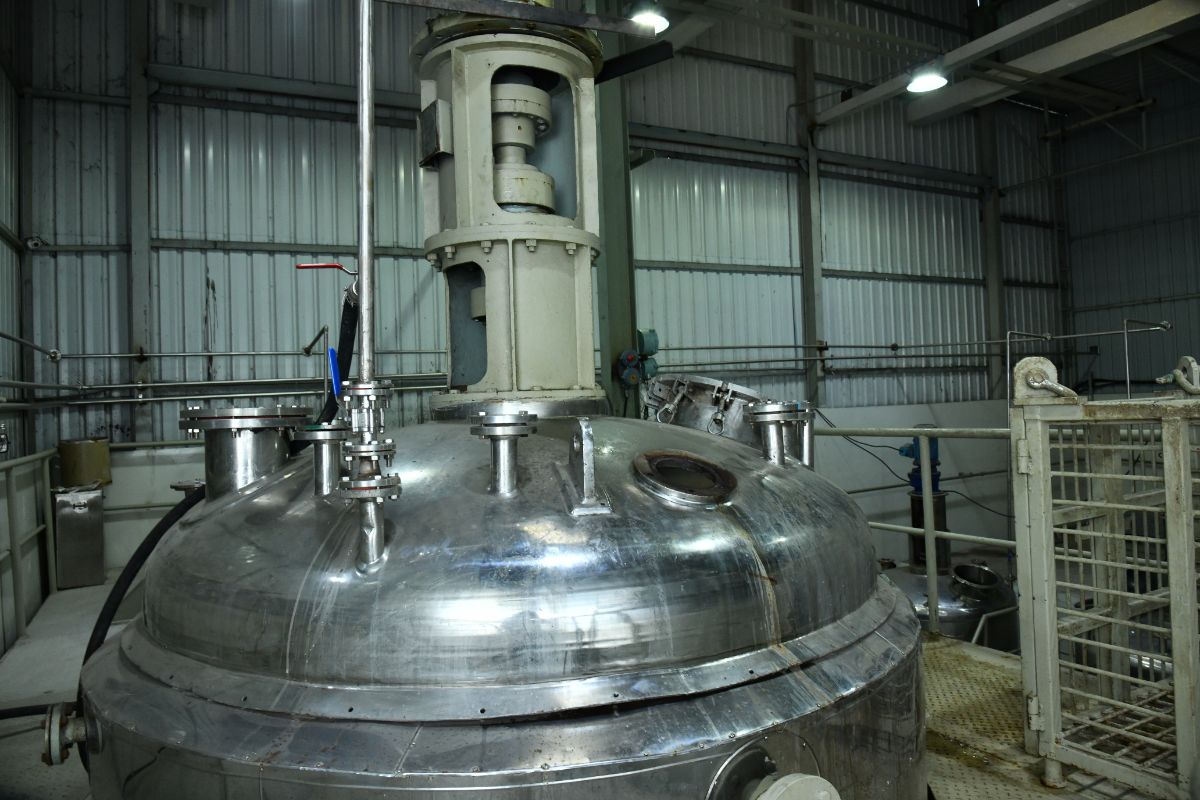
Chondroitin Sulphate (FSSAI)
Chondroitin Sulphate a naturally occurring substance, found in cartilage has been shown to help improve mobility and flexibility, reduce pain and inflammation, and slow down the degeneration of cartilage. Chondroitin Sulphate is a sulphated glycosaminoglycan (GAG) that is a key component of the extracellular matrix of cartilage and other connective tissues. It is composed of repeating disaccharide units of glucuronic acid and N-acetylgalactosamine, linked by beta bonds. Chondroitin Sulphate provides mechanical strength and hydration to the cartilage matrix, helping to maintain its elasticity and resist compressive forces, as well as modulating the activity of various enzymes involved in cartilage degradation, including matrix metalloproteinases and cathepsins. This helps to slow down the degeneration of cartilage, leading to its potential use as a supplement for joint health. Chondroitin Sulphate also has lubricating properties that can help reduce friction in joints, reducing pain and inflammation. It has also been shown to stimulate the production of new cartilage and to act as a natural anti-inflammatory agent.
In clinical trials, Chondroitin Sulphate has been shown to be effective in reducing pain and improving function in patients with osteoarthritis. It has also been shown to be safe, with minimal side effects. Chondroitin Sulphate works by:
- Lubricating joints
- Inhibiting enzymes that break down cartilage
- Stimulating the production of new cartilage
Acting as a natural anti-inflammatory
Grade:
Oral
Specification:
IH
Chondroitin Sulphate, used with glucosamine, is indicated to alleviate pain and inflammation from primary osteoarthritis. This supplement is reported to improve joint function and slow disease progression. Osteoarthritis is characterized by progressive structural and metabolic changes in joint tissues, mainly cartilage degradation, subchondral bone sclerosis and inflammation of synovial membrane. Studies have proposed the potential use of chondroitin Sulphate as a nutraceutical in dietary supplements.
Chondroitin Sulphate is indicated for:
- Arthritis
- Backache
- Muscle Strain
- Soreness, Muscle
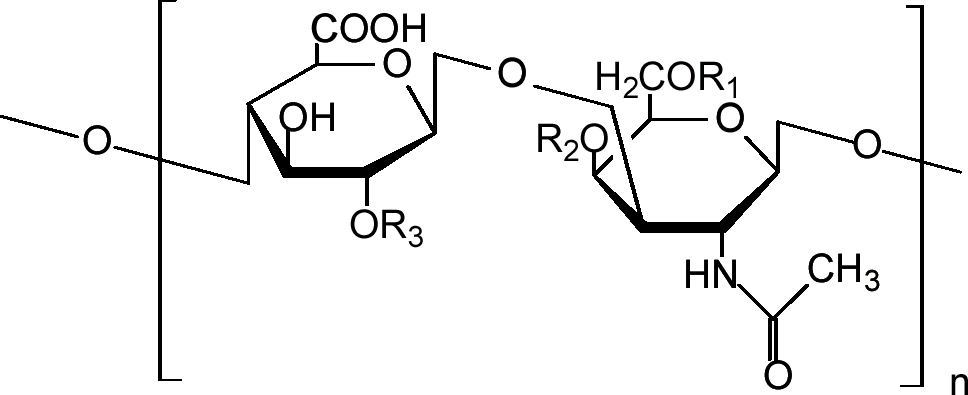
Structure of Chondroitin Sulfate
Bacto Chem’s Bovine Chondroitin Sulphate
Bacto Chem’s Chondroitin Sulphate is derived from Indian bovine sources and is known for its high quality, purity, and consistent properties. The extraction and purification processes used to obtain the Chondroitin Sulphate ensure that the final product is free from contaminants and has a high degree of purity. This is important as it contributes to the pharmacological action of the product. Bovine-sourced proteins are known to have greater bioavailability compared to other sources, meaning they are more easily absorbed and utilized by the body. This also results in a greater affinity of binding with human cells, leading to higher efficacy and better results. These factors combined make Bacto Chem’s Chondroitin Sulphate a preferred choice for those seeking a high-quality and effective product.
Bacto Chem’s products undergo extensive testing for safety and purity of product throughout the manufacturing process by our in-house Quality Control team. We ensure that the raw materials we use, bovine trachea of Indian-origin animals, are free of any diseases and more importantly free from BSE/TSE. All these animals are bred in a hygienic environment and given very nutritious natural feed, the manufacturing equipment, our maintenance processes, and the qualifications of the staff involved in the production are all aligned to ensure the safest, highest-quality products leave our factory. Since our raw material is of animal origin, we are diligent about ensuring traceability and quality control during the production process to minimize the possibility of any biological hazard.
All Bacto Chem Products are manufactured in compliance with the World Health Organization (WHO) Current Good Manufacturing Practices (cGMP) under strict conditions in state-of-the-art facilities. This results in products that are consistently produced and controlled to the quality standards appropriate to their intended use and as required by the product specification. Each of our products is manufactured in a dedicated block with no cross-contamination.
Our strengths lie in our highly trained and experienced QC department which ensures all the raw materials go through stringent testing prior to their utilisation, ensuring that only raw materials of the highest quality are used only after approval from QC. We ensure that all our equipment and manufacturing process are thoroughly validated and updated. We invest heavily on training our production and QC teams to understand and monitor every stage of the production cycle to ensure safety and highest quality product. Maintaining cleanliness is our responsibility, and we always focus on ensuring proper measures are taken to follow our validates cleaning protocols to avoid batch to batch contamination.
Additionally, Bacto Chem is compliant with the requirements of OHSAS 18001:2007 in occupational health and safety management systems. Bacto Chem is also ISO 14001:2015 certified which recognizes us as an organization seeking to manage its environmental responsibilities in a systematic manner that contributes to the environmental pillar of sustainability and has the necessary Halal certifications as well.


Why are Indian bovine-sourced raw materials better?
- Absence of Bovine Spongiform Encephalopathy (BSE) or Mad Cow Disease
- BSE is caused in cattle when the animals are fed meat or bone meal
- Protein cells become twisted into prions. Prions are not destroyed by fire, freezing, disinfectants, sterilization procedures, or radiation
- Indian cattle are grass-fed, removing the possibility of these cattle encountering BSE
- Chondroitin Sulphate prepared from Indian cattle is free of BSE/TSE